What Are Terpenes In Weed? The Real Reason Some Strains Smell, Taste, And Feel So Different
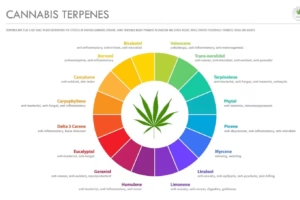
There are about 200 different terpenoids identified


Most people use cannabis for specific goals like pain, anxiety, or sleep, and in one recent poll pain relief (25%), anxiety relief (23%), and stress relief (18%) were the top reasons people reach for weed at all.
| Question | Short Answer |
|---|---|
| How do I start choosing strains by effect instead of by name? | Begin with your goal (sleep, focus, pain relief), then look at indica, sativa, and hybrid categories plus terpene and potency info. |
| Do terpenes really change the high? | Yes, terpenes shape aroma and help determine whether a strain feels calming, uplifting, or focused. Our guide on what terpenes are in weed explains how. |
| Is indica always for sleep and sativa always for energy? | Not always. Plant type is a starting point, but the real effect comes from the mix of cannabinoids and terpenes, which we break down in detail in our indica vs sativa difference guide. |
| How important is potency when picking for a specific effect? | Potency matters, but predictable, labeled effects matter more for most people. Our article on which type you should choose walks through how to balance both. |
| Can I choose strains for migraines or other specific issues? | Yes, many customers shop that way. We share effect-focused tips in our guide to strains for migraines and apply the same logic here. |
| Do hybrids make it easier to target a balanced effect? | Often yes. Hybrids are bred to mix relaxing and uplifting qualities, which we cover in our post on hybrid cannabis strains. |
Before looking at names or THC numbers, we ask customers one simple question: what do you want to feel after you use this strain.
Data backs this up, because surveys show most people prioritize relief from pain, anxiety, stress, or insomnia over pure recreation.
Once you define your goal, it becomes much easier to filter between indica, sativa, and hybrid options and read labels in a useful way.
We encourage you to write down 1 primary goal and 1 secondary goal, for example “less anxiety, but not sleepy” or “sleep faster, pain second.”

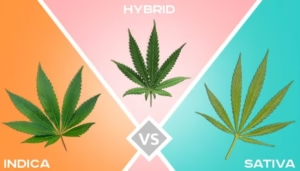
Many shoppers still rely on “indica for night, sativa for day,” which is a helpful shortcut but not a full explanation.
Plant category affects average effects, but recent research shows terpenes and cannabinoids are just as important in predicting how you will feel.
Indica strains are often described as heavier, with more muscle relaxation and a stronger body load that suits evening or sleep-focused use.
Our guides on growing indica indoors explain how these plants tend to stay shorter and bushier, which is separate from but historically linked to their calming effect reputation.
Sativa strains are usually associated with mental energy, focus, social ease, and creativity, often preferred for daytime or tasks that need alertness.
They grow taller and need a bit more environmental control, which is why our indoor sativa guide focuses so much on light and space.
Hybrid strains mix genetics from both sides, so their effects range from “indica-leaning” to “sativa-leaning” and often feel more balanced.
When customers want calm without couch lock or focus without racing thoughts, we usually start by showing them hybrids.


Terpenes are the aromatic compounds that give each strain its smell and taste, like citrus, pine, fuel, or fruit.
There are around 200 terpenoids identified in cannabis, and some modern flowers test above 3.5 percent terpenes by weight, which is one reason two strains with the same THC can feel totally different.
These molecules interact with THC, CBD, and minor cannabinoids, shaping how fast effects come on, how long they last, and whether you feel clear, mellow, or sedated.
In recent terpene research, patient preferences for certain terpene blends lined up closely with real-world product choices, especially around pain and anxiety relief, which tells us people are already using smell and flavor as a guide.


This infographic guides you through a simple five-step method to pick strains by the effect you want. Use these steps to tailor your selection for mood, relief, or performance.
Once you know your goal and basic categories, the next step is to map specific outcomes to typical plant and terpene patterns.
Below is a simple starting grid we use with many customers.
| Desired Effect | Good Starting Category | Helpful Traits To Look For |
|---|---|---|
| Deep relaxation / sleep | Indica or indica-leaning hybrid | Higher THC, earthy or herbal aroma, “nighttime” or “couchy” notes on label |
| Anxiety and stress relief | Balanced hybrid or gentle indica | Moderate THC, clear terpene info, calming descriptions without heavy sedation |
| Energy and focus | Sativa or sativa-leaning hybrid | Lighter, citrus or pine notes, “daytime” or “creative” on packaging |
| Balanced mood lift | Hybrid | Mid THC, dessert or fruity aroma, “social” or “euphoric but functional” wording |
Every body is different, so we recommend you treat this as a starting point and adjust based on how specific strains actually feel for you.
Keeping a simple note in your phone with strain name, time of day, dose, and 2 or 3 words about the effect can sharpen your choices over time.


Did You Know?
Among reported cannabis effect preferences, 30% of users say they most want to feel relaxed, 24% seek euphoria, 15% prefer energetic, and 10% prioritize creativity.
We see many customers start out chasing the highest THC percentage, then later realize they actually prefer calm, predictable effects over being overwhelmed.
Industry data backs this up, suggesting that more than 60 percent of cannabis users prefer consistent, reliable effects to extreme strength.
When you are choosing strains by effect, potency should be one of several filters, not the only one.
For example, a moderate THC hybrid with a terpene profile you like can feel smoother and more controllable than a very strong strain that sends your mind racing.
Format also matters, because vapes and concentrates usually feel a bit faster and sometimes stronger than flower or edibles at the same listed THC.
If your main goal is a specific effect like sleep support, we recommend you prioritize consistency and clear labeling first, then fine tune potency.
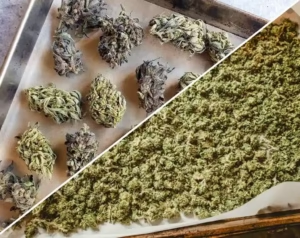
Different product types deliver effects differently, even with the same strain name, so it helps to match both the format and strain to your goal.
Flower, vapes, and edibles each have strengths for specific use cases like fast relief, longer duration, or discreet dosing.
Cartridges and all-in-one vapes that highlight terpenes make it easier to predict flavor and effect, especially for mood and focus goals.
Products like terpene-forward tanks or curated 2.5 g vape lines often list whether the profile leans relaxing or uplifting, which we point out when you describe your ideal feeling.
For customers who want long lasting relief for stress, anxiety, or sleep, we often suggest starting with low dose edibles and building slowly.
Because edibles can stay active for several hours, we remind people to plan for timing and avoid re-dosing too quickly.


Prerolls are one of the simplest ways to test different strain effects, because you do not need gear and can try small amounts first.
They are also extremely popular, with about 82 percent of consumers buying prerolls, which tells us they are a major vehicle for real world effect testing.
When we help customers choose prerolls by effect, we focus on three things.
Infused prerolls can feel much stronger, so we usually suggest non infused options first for people who mainly want consistent, manageable outcomes.
Once you know how a certain strain feels as a preroll, you can look for it in other formats like eighths, carts, or edibles if you want the same effect with different timing.
Did You Know?
Over 70% of preroll buyers rank potency as the top factor when choosing a preroll, even though many later say they care most about how predictable the effects feel.
Many people tell us they want to feel relaxed, but also clear enough to hold a conversation or finish a few tasks, which is where hybrids shine.
Hybrid cannabis strains are bred to mix body and head effects, and our dedicated hybrid guide describes them as “best of both worlds” for a reason.
When you choose hybrids by desired effect, it helps to think in terms of ratios.
We often recommend hybrids for group sessions, casual evenings, and first time buyers who are not sure how they respond to pure indica or pure sativa.
As always, pairing the hybrid category with terpene and potency info will give you the clearest signal about how it is likely to feel.

Whether you shop in person or browse online, you can read between the lines on strain labels and descriptions to match products to your desired effect.
We design our content to highlight practical details instead of only straining names, because we know how confusing the menu can feel otherwise.
Tip: Look for three things together on any listing: plant type, THC percentage range, and at least a hint of terpene or aroma info.
Also pay close attention to effect-driven language like “nighttime,” “social,” “focus,” or “unwind,” which often comes directly from customer feedback and internal testing.
If a product does not mention effects at all, you can still use the combination of indica or sativa, potency, and smell descriptors to make an educated guess.

To keep everything usable, here is the same five step method we walk through with new customers who want to shop by effect rather than hype.
You can use this online, in store, or even when comparing notes with friends.
If you repeat this process across a few different products, you will quickly see patterns in what works for your body and routine.
That pattern is what turns strain selection from guesswork into a personal, predictable system.
Choosing strains by desired effect is less about memorizing every name and more about understanding how your goals, plant categories, terpenes, and potency fit together.
When you start with the feeling you want, then use these tools to narrow down options, each new strain becomes another data point that teaches you what really works for your body and your day.
There are about 200 different terpenoids identified
Have you ever wondered why some cannabis
Walking into a dispensary or browsing a